
Everyone is “maxing” something right now. Looksmaxing. Sleepmaxing. Healthmaxing. So, let’s talk about traffic maxing on a trade show floor.
What does traffic maxing actually mean?
It means drawing qualified attendees to your booth, keeping them engaged long enough to understand your sales story and giving them a clear next step.
The math is pretty simple. The more people who see your exhibit, and the longer they spend meaningfully engaged with your team, the more opportunities you have to produce measurable results.
But stopping traffic is not enough.
An accident stops traffic. You need a positive reason.
The Roosevelt Elk Effect

I was recently driving along Highway 101 through Northern California near Redwood National and State Parks. Everyone in the car was watching the tree lines and open fields for wild Roosevelt elk.
Mile after mile, nothing.
Then traffic suddenly slowed to a crawl.
At first, it looked like an ordinary delay. Then we saw the reason. A large herd of elk had gathered to graze in a field most drivers would normally pass without noticing.
Cars slowed down. Passengers pointed. People pulled over safely to take pictures. For about 20 minutes, a random field beside Highway 101 became the main event.
The elk gave everyone a positive reason to slow down and look. They were unusual, enjoyable and memorable.
That is your first job on the trade show floor. Give attendees a reason to stop walking, look toward your exhibit and think, “Okay, what’s going on over there?”
You Attracted a Crowd. Now What?
This is where a lot of trade show booth attractions fall apart.
A robot, celebrity, game or giveaway might pull a crowd and create a great photo. If those people walk away without knowing what your company does, what did the attraction actually accomplish?
Once you have their attention, use it.
Tell people why your company exists. Show them the problem your product solves. Explain what makes the new release worth seeing. Give them the features and benefits in language they will understand and remember.
You spent months pulling together the exhibit, travel, logistics, staffing, demonstrations and sales materials for a three-day event. You have a lot riding on those few days. The attraction should help more people understand why you are there.
One-on-one conversations will always matter. They just do not scale very well. One booth representative can usually speak with one person or one small group at a time. A live presentation can deliver that message to 20, 50 or even 100 people together.
The crowd becomes a force multiplier.
Traffic Without Direction Is Just Congestion
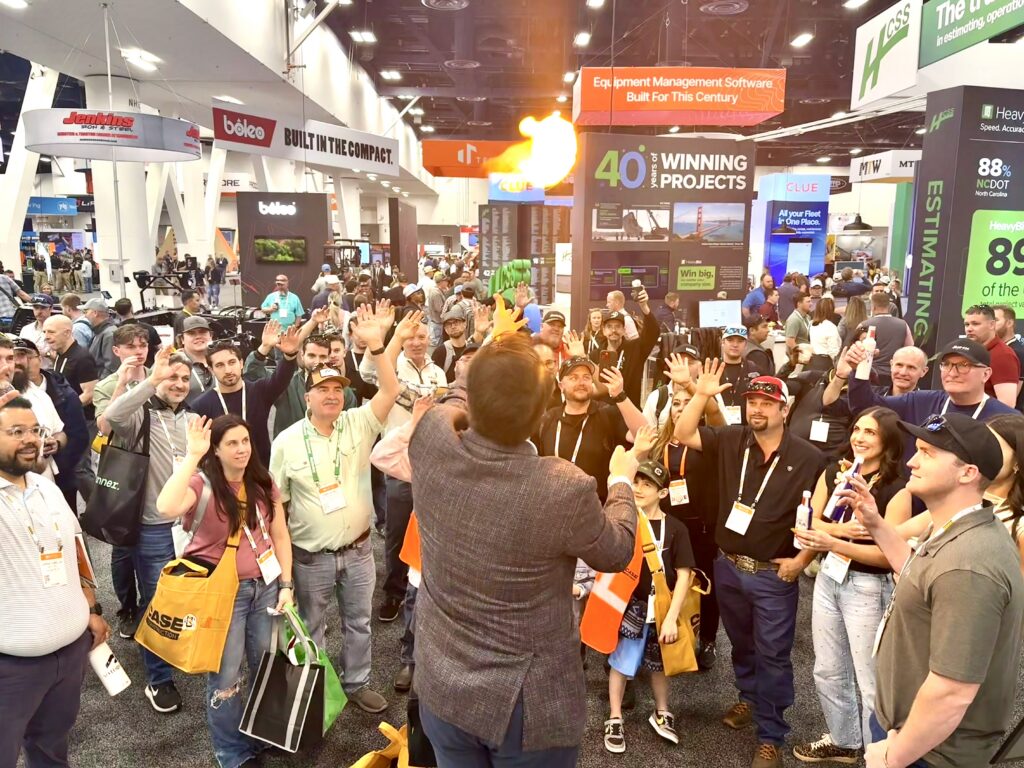
A busy aisle makes a great photo, but you still need to show what that crowd did.
Before the floor opens, decide what success should look like:
- Badge scans
- Qualification-form completions
- Product demonstration requests
- Scheduled meetings
- Direct introductions to the sales team
Then build the presentation around that action.
If the goal is lead capture, give people a reason to scan. If the goal is a demonstration, move the audience naturally from the aisle to the demo station. If the goal is a conversation, make sure the booth team is ready for the handoff.
How many people watched? How many entered the booth? How long did they stay? How many took the next step? How many were qualified prospects?
Those answers are much more useful than, “The booth seemed really busy.”
Is Entertainment Really Marketing?

Think about Star Wars. The original movie was released in 1977. Nearly 50 years later, people still quote it, recognize the characters and introduce it to new generations.
The entertainment earned our attention. The story made it stick.
Your trade show presentation does not need lightsabers or a John Williams score. It does need to break the trade show trance.
Attendees have spent five hours staring at screens, shuffling along on sore feet and having another tote bag pushed into their hands. Their phones are buzzing. Their attention is scattered. You need to interrupt that pattern in a way that feels welcome.
Then attach your sales story to the experience.
At the end of the show, are people still talking about your booth? Do they remember what you demonstrated? Can they explain the problem you solve? When your salesperson follows up two weeks later, does the prospect immediately remember where they met?
Entertainment can make that happen, but only when it is connected to the marketing message.
Why Magic Works on a Trade Show Floor
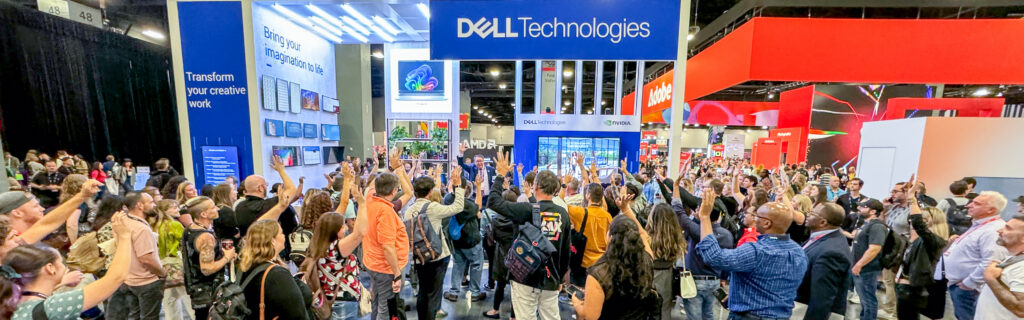
Magic is almost built for traffic maxing.
It is visual, interactive and easy to understand from the aisle. People can join at nearly any point, which matters in a room where everyone is constantly moving. Curiosity buys you a few seconds of attention. A well-structured presentation turns those seconds into minutes.
While people watch magic, they lean in. They focus. They try to figure out what happened. For a few minutes, they are not checking their phones, talking to the person next to them or looking at the booth across the aisle.
That kind of attention is hard to find at a trade show.
The secret is not simply doing card tricks near a company logo. The presentation needs to carry the exhibitor’s actual sales story. Product benefits, competitive differences, new features and the call to action can all be woven into the magic.
The magic gets their attention. Your sales story gives that attention a purpose.
Four Questions to Ask Before Choosing a Booth Attraction
Before choosing entertainment, a game, a robot or any other booth attraction, ask:
- Does this give attendees a positive reason to stop?
- Can it clearly communicate our sales story?
- Can it move people from the aisle into a useful interaction?
- Can we measure what happens next?
Miss one of those pieces and you may create activity without creating results.
The goal is not to gather the biggest crowd simply so you can post a picture of it. The goal is to attract useful traffic, tell your story and help the right people take the next step.
That herd of elk made an unnoticed field beside Highway 101 impossible to ignore. Your exhibit needs its own positive reason for attendees to slow down, gather and see what is happening.
Ready to Traffic Max Your Next Trade Show?
For more than 35 years, I have helped companies turn aisle traffic into attentive audiences and measurable sales opportunities. Corporate-Fx presentations are built around the exhibitor’s objectives, sales story and desired call to action.
If you are planning an upcoming exhibit, contact Corporate-Fx and let’s talk about how trade show magic can help you stop the aisle, build the crowd and drive results.
Stop the aisle. Tell the story. Measure what happens next.
That is traffic maxing.