
If you’re running a business theater or a presentation space on the trade show floor, there is one detail that quietly determines your ROI: Seating.
It sounds simple, but after working hundreds of shows, I’ve seen incredible presentations fall flat—not because the speaker was boring, but because the seating setup was working against the audience. If people aren’t comfortable, they aren’t listening.
The “Bench Trap”
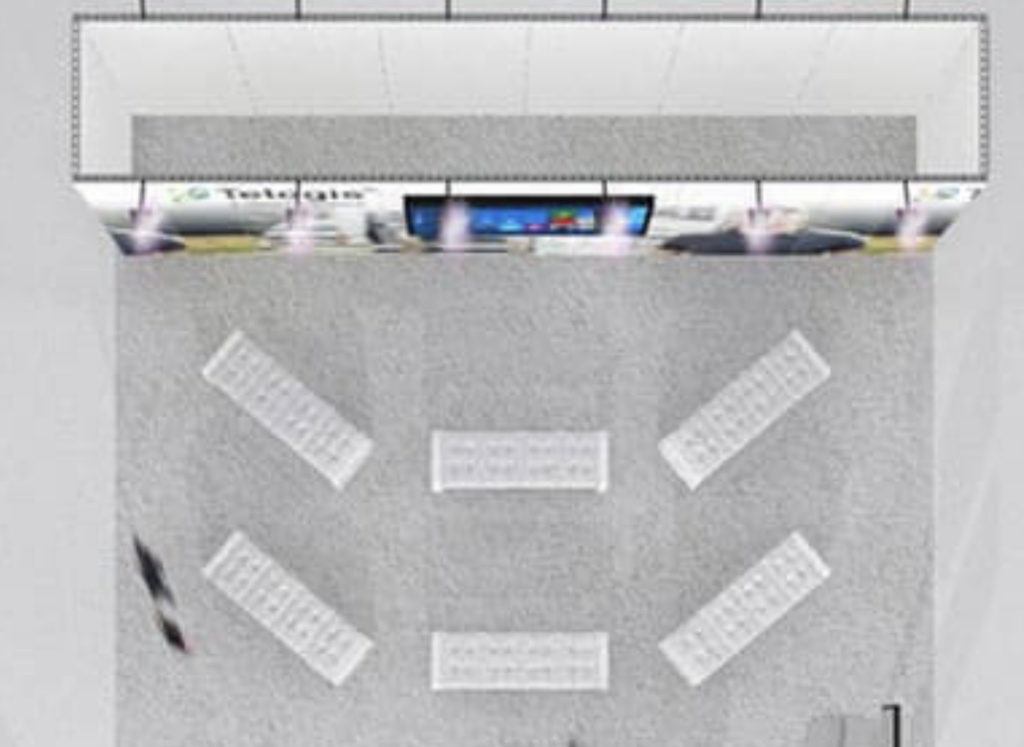
Benches look efficient on a floor plan. They’re clean, they save space, and technically, they fit more people. In reality? They are audience killers.
Here’s the psychology of a trade show bench: The first person sits right in the middle, “claiming” the territory. The second person hesitates, wondering if it’s weird to sit next to a stranger. The third person just keeps walking. Because people value their personal bubble in a high-energy environment, a bench that could hold four people usually ends up holding one. You’ve just lost 75% of your capacity.
Style vs. Substance
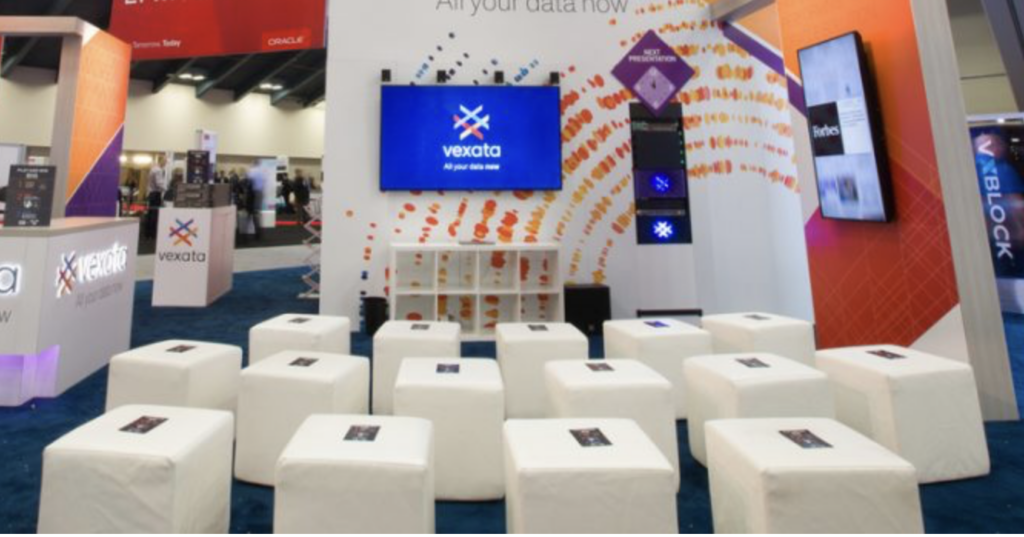
We all want the “cool” booth. We want the inflatable cubes, the modern stools, or the sleek lounge cushions. But these create “friction.”
If an attendee has been walking a concrete convention center floor for six hours, they don’t want a backless stool or a beanbag that’s hard to get out of. If they see a seat that looks like a chore to sit in, they won’t sit at all. And if they don’t sit, they don’t stay for the full pitch.
The Magnetism of a Real Chair
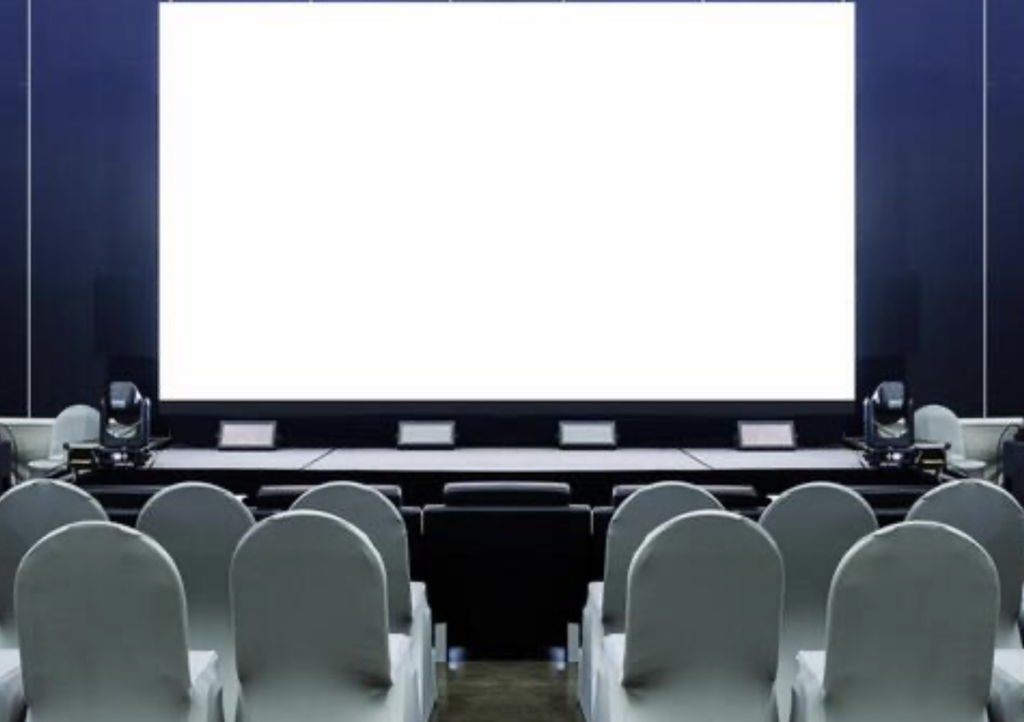
A proper chair isn’t just furniture; it’s an attraction tool. When an exhausted attendee sees a chair with back support—and better yet, armrests—it’s like a desert oasis.
The right setup does three things:
- Signals a “Destination”: It tells people this is a place to rest, not just a pass-through.
- Creates Personal Ownership: Armrests are a huge psychological win; they define a person’s “sovereignty” so they can relax and focus on your message.
- Increases “Dwell Time”: Every minute they are comfortable is another minute your sales team has to engage them.
The Ideal Layout: Think “Aisles,” Not “Auditorium”
Most exhibitors try to cram chairs together to maximize the head count. That’s a mistake. If a prospect feels trapped in the middle of a row, they won’t sit down because they don’t want to commit to being “stuck.”
The fix: Arrange chairs in pairs with frequent aisles. This allows people to duck in and out easily. It feels lower-pressure, which paradoxically makes them more likely to stay. One non-negotiable rule: Always have a central aisle. If there’s no clear path to the exit, people won’t enter the seating area to begin with.
A Pro Tip on Logistics
Before you pay a fortune to ship custom seating, dive into the exhibitor services catalog. You can often rent high-quality, professional chairs that meet venue fire codes and save you thousands in drayage and shipping. Just don’t default to the cheapest folding chair—your ROI depends on people actually wanting to sit in them.
The Bottom Line
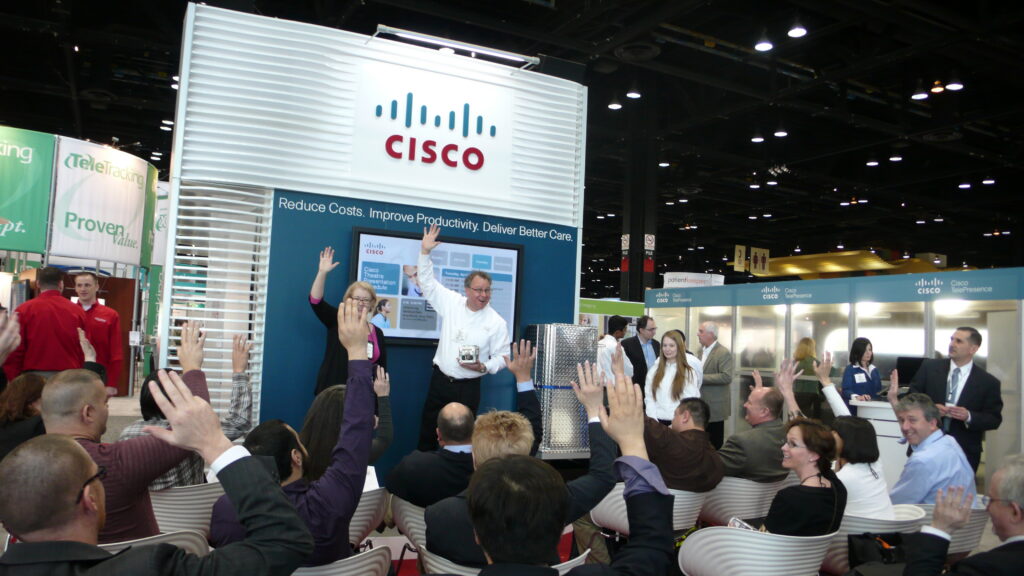
Seating isn’t a logistical afterthought; it’s a conversion strategy. When you prioritize the attendee’s physical comfort, they reward you with their attention. Stop focusing on how many people you can fit and start focusing on how many people you can make stay.